

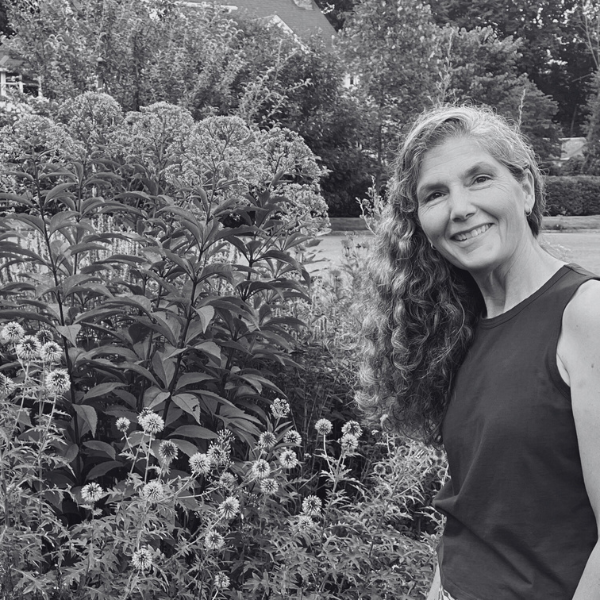
Why I work at the Stowe Center: Our vision is a world in which engagement leads to empathy, empowerment, and change for good. That vision is why I work here; I believe that literary activism—words crafted to illustrate the nuanced complexity of humanity—nurtures transformative empathy.
Karen Fisk is Executive Director of the Stowe Center for Literary Activism (the Harriet Beecher Stowe Center).
As leader of a social justice museum with a focus on those who advocate hope and freedom, Karen is dedicated to exploring how systems of agency and community-building work to nurture a more just, equitable, and loving world for all.
Harriet Beecher Stowe understood that her talent for writing could be used to change hearts and minds. Her anti-slavery novels Uncle Tom’s Cabin and Dred, along with her compilation of the primary sources that inspired her, The Key to Uncle Tom’s Cabin, helped positively influence the abolitionist movement. Stowe’s success would not have been possible without the bold, brave, and consistently excellent work of a constellation of literary activists who proceeded and followed her.
At the Stowe Center, we are eager to demonstrate that literary activism—using words to promote positive change—is an American tradition that precedes and follows Stowe’s remarkable and impactful acts of writing. We are dedicated to amplifying the voices of freedom seekers then and now—people such as Josiah Henson, Frederick Douglass, Harriet Jacobs, and Sojourner Truth. We truly believe that these stories of hope will inspire others to make positive change.
Our Stowe Prize for Literary Activism is a celebration of this ongoing tradition by recognizing a contemporary American author whose work has significant social justice impact. Among the winners are Michelle Alexander, Bryan Stevenson, Ta-Nehisi Coates, Ruha Benjamin, Bettina Love, and Percival Everett—all visionary writers who want a better world.
As the Stowe Center continues to make our campus accessible to all, especially through our project Harriet’s Backyard: From Private to Public, we celebrate our neighborhood. As we work with school systems such as Hartford and Windsor through Stowe on the Go, we celebrate American youth and emerging activists.
And as much as we celebrate and care about our communities outside the Stowe Center, we are equally proud of and dedicated to our staff and volunteers. We strive for equitable working environments that nurture life-long learning and safe spaces that are supportive and allow for growth. Social justice inside and out is essential to our mission and vision.