Stowe on the Go facilitates difficult conversations using historical objects and nurtures common ground for common good.

In a divisive, increasingly polarized world, the Stowe Center helps communities recognize and appreciate where they are united.

Stowe on the Go offers facilitated experiences that help participants develop deep listening and constructive conversation skills that lead to greater understanding of one another. Using objects from the Stowe Center’s museum collection, each experience grounds discussion in historical context and provides a springboard for meaningful dialogue that helps participants find common ground.

Our approach gives participants practical tools for engaging in difficult conversations with open minds, intellectual curiosity, and respect for differing perspectives.

Stowe on the Go can be tailored for a variety of audiences and goals, including:

  • Leadership development for professionals seeking to strengthen communication, collaboration, and inclusive decision-making.
  • Professional development for educators and museum professionals looking to facilitate dialogue, teach complex histories, and foster engaged learning environments.
  • Curriculum enhancement for K–12 schools, colleges, and universities, enriching classroom learning through object-based inquiry and facilitated discussion.

A Stowe on the Go experience helps build more cohesive teams, classrooms, and communities where participants better understand one another. Our goal is for every participant to leave thinking, “I will think about what you just said.”

To schedule your Stowe On The Go experience, please call Angie at 860-522-9258 ext. 321, email mpena@stowecenter.org, or use the button below to schedule a consultation at a time that’s convenient for you.

EXPERIENCES OFFERED

In this immersive experience, participants explore the profound impact of word choice on shaping perception and addressing systemic injustice. By examining historical objects and engaging with contemporary language, participants will:

  • Recognize how words can either challenge or perpetuate existing power structures.
  • Build confidence in using their own words to promote equity and justice.

This program empowers participants to harness the power of language to foster a more just world.

This experience explores the concept of sharing authority in research and storytelling, including open conversation about the importance of cultural institutions being responsible with the power they hold over shared historical truth. Key components include:

  • Reflecting on the institution’s role as a site of authority
  • Exploring the challenges and implications of speaking on behalf of others in an unequal world
  • Considering how individuals and organizations can use their authority to empower those systematically denied it.
  • Brainstorming plans to build and foster organizational equity.

This experience equips participants with the tools to navigate deeply held beliefs and build common ground across differing perspectives. Key elements include:

  • Exploring how public spaces of common memory and law shape perceptions of “acceptable” speech.
  • Situating personal views within the contemporary political culture.
  • Gaining skills to engage with diverse perspectives.

Participants receive a shareable toolkit designed to foster constructive dialogue around divergent political viewpoints.

Optional add-ons include a 30-minute walkthrough of the toolkit or a 60-minute facilitated conversation on a specific topic, using the toolkit as a guide.

The story of Harriet Beecher Stowe’s first Hartford home and its surroundings provides the foundation for a deep conversation about human relationships with natural spaces. Participants will question and discuss:

  • How people at different times have understood their relationship to the environment.
  • How class, race, and privilege inform how historical people have interacted with the landscape and each other.
  • How contemporary environmentalists can pursue equitable strategies of activism.

This dynamic program brings history to life through engaging storytelling, hands-on activities, and interactive discussions. Tailored for libraries, schools, and community spaces, this experience immerses participants in the lives of historical figures, such as Frederick Douglass and the women who shaped his legacy. Key components include:

  • Live storytelling performance that transports participants back in time.
  • Tactile-based learning to explore material culture and historical context.
  • Facilitated discussions that encourage reflection and dialogue on community, justice, resilience, and activists.

Ideal for all ages, this program fosters a deeper understanding of history while making it engage, interactive, and relevant.

Designed for ages 10 and up, this hands-on experience explores history through four primary documents. Participants analyze each piece individually and collectively, uncovering broader narratives and the significance of material culture—like handwriting, condition, and paper quality.

An intimate gathering for 8–12 guests. Choose from:

  • Spiritualism as Resistance: Discover how 19th-century radicals and marginalized voices used Spiritualism to assert authority, challenge injustice, and envision a more equitable world through the contradictions of speaking the unspeakable.
  • When We Don’t See the Signs: Reflect on the influence of signs and their symbolic meanings through an 88-year-old Stowe House artifact, encouraging participants to reconsider the signs they encounter every day.
  • Bearing Credentials: Examine the power of language and systems of oppression through historic objects like the Black Census of Hartford, challenging unjust narratives and embracing literary activism for self-definition and change.

MORE DETAILS

Our facilitators are experienced in designing conversations for a wide range of audiences, organizations, and goals. If you’re looking for something different—or you’d like to tailor one of our existing experiences—we’d love to collaborate.

Whether you’re planning a staff retreat, community dialogue, classroom experience, book discussion, leadership workshop, or another gathering, we can work with you to create an experience that meets your group’s needs.

Schedule a conversation with our team to discuss your goals and explore a customized program.

We are the Stowe Center for Literary Activism. We understand literary activism to mean resistance to oppressive systems through words, art, stories, and conversations: signing a petition, writing a poem, sharing your story, endeavoring to find and use words and language that center humanity and therefore undermine attempts to dehumanize.

All the facilitation we do at the Stowe Center is a kind of literary activism, as we engage through conversation questions about where we’ve been as a nation, where we are now, the stories we’ve been told, the stories we’ve told ourselves, and the stories we have either not sought out or that have been kept from us. We ask, what happens when we broaden our perspective? How does changing a word or a phrase change our understanding of a person, a story, an event? And, where do we go from here?

MEET OUR FACILITATORS

Erika Slocumb is a scholar of Black history. She is a PhD Candidate in Afro-American Studies and holds a Master of Science in Labor Studies from the University of Massachusetts, Amherst, MA. At Stowe Center she expands the narratives of communities of the global majority, in conversation with Harriet Beecher Stowe and her work in social justice and civic engagement.
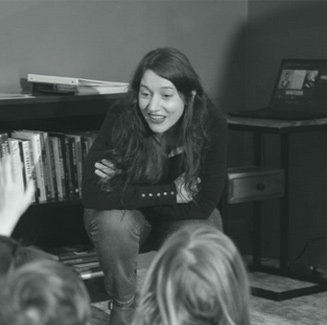
Anita brings a remarkable ability to tie historical issues to contemporary themes. Her calm demeanor helps all feel at ease and broaden understanding. Anita’s ability to make connections builds common ground quickly and enables an open conversation. Anita holds a PhD in American Literature from the University of Rochester.
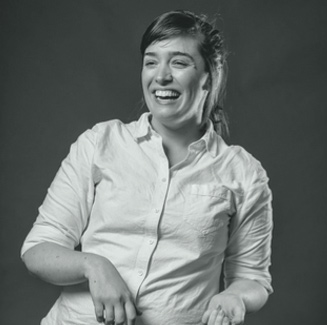
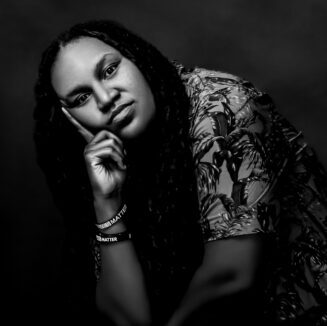
Brenna’s skills at facilitating difficult conversations is impressive and combine deep listening with nimbleness from a decade of work in improv theater. They hold a bachelor’s degree in English and Sociology and a master’s degree in Sociology from the University of Connecticut.

Versatile connects with people through storytelling, spoken word, and authentic conversation. Her engaging style helps participants build confidence, find their voice, and connect more deeply with the learning experience. She holds a degree in Business Administration from the University of Hartford and has more than 13 years of teaching experience.
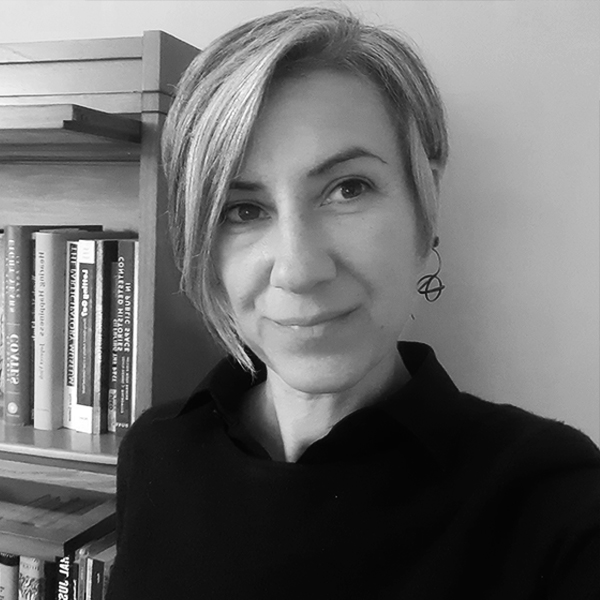
Cat brings deep expertise in archival research and a remarkable ability to help others discover new perspectives within historical sources. Her thoughtful approach encourages participants to explore multiple viewpoints and uncover stories that might otherwise be overlooked. Cat holds an M.A. in History from the University of Massachusetts Amherst.