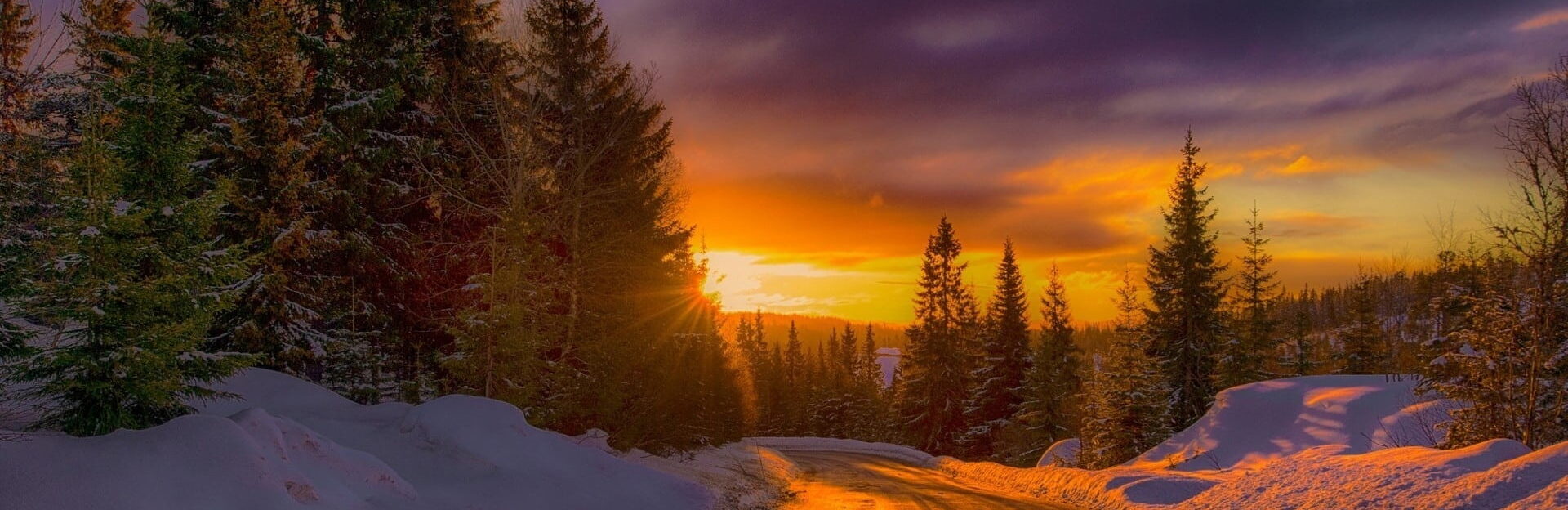
The winter solstice—the shortest day of the year—traditionally celebrates light to push back the darkness. Yule, Soyal, Dongzhi, St. Lucia’s Day, Christmas, Hanukkah, Kwanzaa all include rituals of light and community, beckoning the return of the sun and new life.
As the shortest day of the year, the winter solstice also is the longest night of the year. Considering our American history—the longest night deserves recognition.
Beyond the River: The Untold Story of the Heroes of the Underground Railroad by Ann Hagedorn chronicles the lives of abolitionists in Ohio during the 19th century. These courageous free Black and brave white people sheltered freedom seekers who escaped from enslavement and assisted their journey to liberty in Canada. The abolitionists’ actions risked their own lives and liberty, but unwilling to just say they believed enslavement was wrong, they took action.
Much of the perilous distance traveled by the freedom seekers and the network of abolitionists who enacted the Underground Railroad was accomplished under the cover of darkness, where night could be pulled around you like a cloak, and shadows promised safety not peril. For this remarkable group of people, the longest night of the year would have meant more safety, more chance for success, more hope.
Today people seeking a better life continue to travel by night. Like the freedom seekers of the 19th century, they hope to evade detection. And like the freedom seekers they hope to build a new life defined by opportunity, safety, and freedom.
Yes, light does represent hope and resilience. Light represents joy. Light can be a beacon the guides those in need to safety.
And darkness also can represent hope and resilience. Darkness can offer safety.
This season, let’s celebrate both the light and the dark, by doing so we honor those who find safe passage in the quiet stillness of the night.