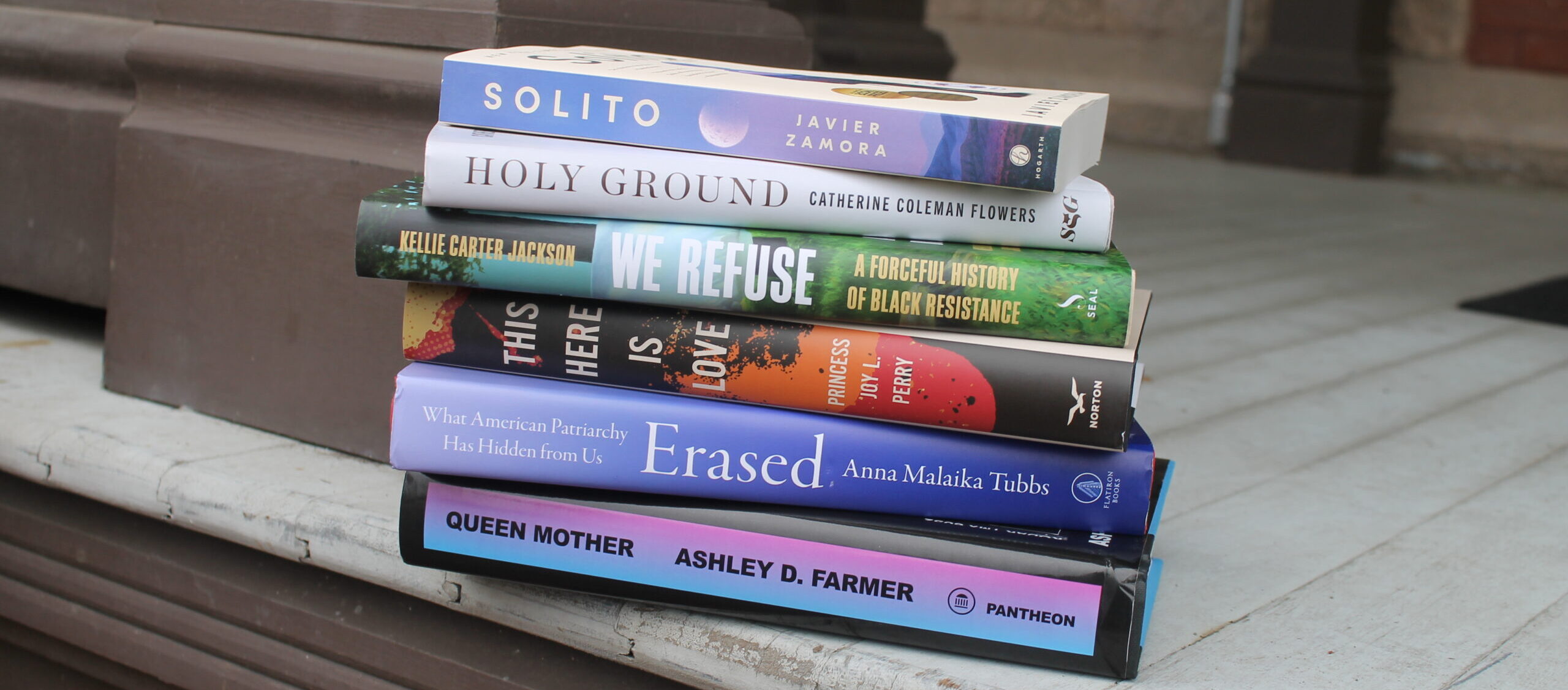
The Stowe Center for Literary Activism is proud to announce the 2026 Stowe Prize Shortlist, honoring six powerful books that exemplify the enduring force of literary activism.
Each shortlisted title reflects the Stowe Prize’s mission: recognizing books that illuminate urgent social justice issues, engage broad audiences, and promote empathy and understanding in the tradition of Harriet Beecher Stowe’s Uncle Tom’s Cabin.

Anna Malaika Tubbs
Erased: What American Patriarchy Has Hidden from Us
Anna Malaika Tubbs
Following her bestselling debut The Three Mothers, Anna Malaika Tubbs returns with a bold and incisive examination of American patriarchy. Erased was praised by 2022 Stowe Prize winner Clint Smith as “a book that demands we directly confront the way patriarchy—both systemic and interpersonal—has shaped the history of our country and the reality of our present.” Drawing on personal narrative, rigorous scholarship, and the stories of past and present freedom fighters, Tubbs exposes how patriarchy structures hierarchies of humanity rooted in gender and race—and shows us how to dismantle them.

Ashley D. Farmer
Queen Mother: Black Nationalism, Reparations, and the Untold Story of Audley Moore
Ashley D. Farmer
Historian, cultural analyst, and award-winning writer Ashley D. Farmer brings overdue recognition to Audley Moore, a foundational yet often overlooked figure in Black political thought. Jelani Cobb, Dean of Columbia Journalism School, calls the book “a monumental achievement,” praising both the depth of Farmer’s research and the grace of her prose. Queen Mother foregrounds Moore’s central role in Black Nationalism, the modern reparations movement, and the mentorship of some of the most influential Black activists in U.S. history.
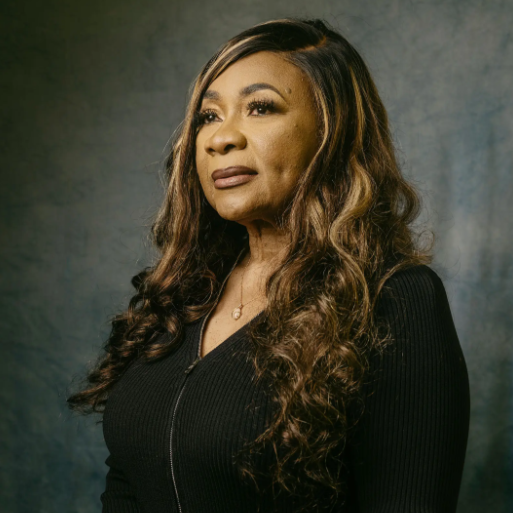
Catherine Coleman Flowers
Holy Ground: On Activism, Environmental Justice, and Finding Hope
Catherine Coleman Flowers
In her second book, MacArthur “Genius Grant” recipient and environmental justice leader Catherine Coleman Flowers blends memoir, history, and political analysis to explore the fight for dignity and sustainability in vulnerable communities. Praised by Al Gore as a work that “ignites a spirit of hope,” Holy Ground examines rural poverty, reproductive justice, and human rights, with particular attention to the legacy of Lowndes County, Alabama. Flowers ultimately asks how we can continue to cultivate hope amid the ongoing crisis of racialized disinvestment in the American South.
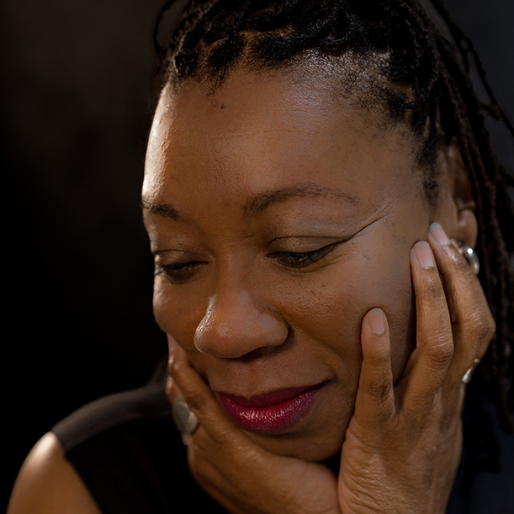
Princess Joy L. Perry
This Here Is Love
Princess Joy L. Perry
Princess Joy L. Perry’s debut novel is a sweeping, intimate exploration of love, power, and survival in late seventeenth-century Virginia. Honorée Fanonne Jeffers describes the book as “the tenderest of prose and the most compelling of storytelling.” Perry interweaves the lives of Bliss, the last surviving child of her enslaved mother; David, the son of a man who dreams of emancipation; and Jack Dane, a Scottish-Irish child sold into indentured servitude. As their lives collide, the novel asks what love can endure—and what freedom truly means.
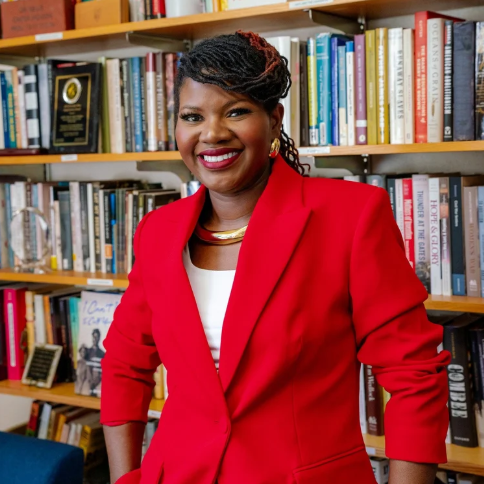
Kellie Carter Jackson
We Refuse: A Forceful History of Black Resistance
Kellie Carter Jackson
Historian and educator Kellie Carter Jackson challenges dominant narratives of Black resistance in her debut book. Ms. Magazine calls We Refuse “a masterfully researched and endlessly readable exploration—and celebration—of Black refusal to racism and oppression.” Jackson rejects the simplified binary of nonviolence versus violence, offering a more expansive framework that includes armed resistance, strategic withdrawal, joy, and collective survival. Her work redefines how we understand resistance across Black history.
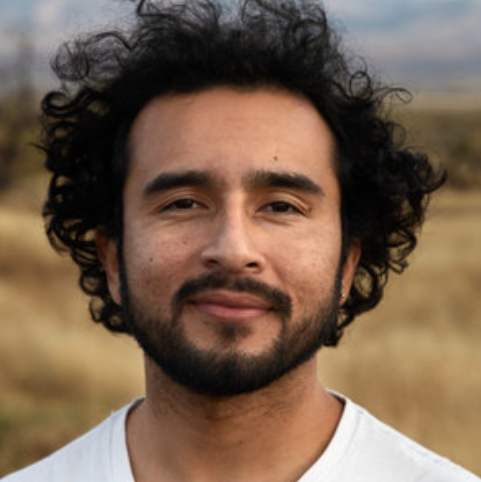
Javier Zamora
Solito
Javier Zamora
Award-winning poet Javier Zamora’s debut memoir recounts his harrowing journey from El Salvador to the United States at just nine years old. NPR’s Gabino Iglesias praises Solito as “a gripping memoir,” highlighting Zamora’s vivid voice and emotional depth. What began as a promised two-week trip became a two-month, three-thousand-mile journey through Guatemala and Mexico. Traveling alone, Zamora chronicles danger, resilience, and the formation of a chosen family—offering a deeply human account of migration.