Stowe Center Uncovers Rare Unpublished Freedom Narrative in Archive
Rev. Dr. William Phillips’s Life Story Contains Details of Enslaved Life that Verify Black Agency, Literacy, and Mobility That Have Scholars Very Excited.
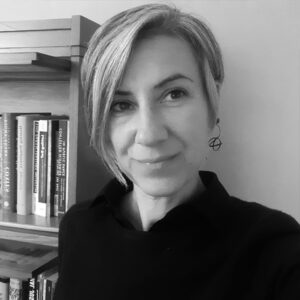
HARTFORD, Conn., October 2025- The Stowe Center for Literary Activism has announced the discovery of a rare, unpublished freedom narrative dictated by Rev. Dr. William Phillips in 1897 to John and Isabella Beecher Hooker, relatives of Harriet Beecher Stowe. The manuscript, uncovered by Cat White, Director of Historic Collections at the Stowe Center, provides first-hand insight into the life of an enslaved man whose story reveals the resilience, intellect, and humanity of those who fought for freedom.
White discovered the manuscript by chance while researching another archival collection.
“While this wasn’t the document I intended to find, when I realized I was holding the life story of Dr. Phillips, I immediately realized that it was something significant,” White said. “Dr. Phillips’s life and The Phillips Manuscript, as we call it, are hugely important to understanding 19th century U.S. history and the many legacies of that history. To us at the Stowe Center specifically, it speaks to so much of what we do in talking about literary activism, engaging with true history, and highlighting Black voices and community leaders.”
The Stowe Center for Literary Activism is dedicated to exploring the legacy of literary activism—the strategic use of words to change hearts and minds. Harriet Beecher Stowe’s Uncle Tom’s Cabin was an international bestseller that galvanized the abolitionist movement. The Center continues that legacy by amplifying the voices of Black literary activists whose writings, speeches, and narratives tell a fuller and truer history of America.
The Phillips Manuscript includes details seldom recorded in the historic record. “Dr. Phillips offers so many insights into his experience and his interiority—who he was as a person—that make his narrative unique in many ways,” White said. “We come to understand his emerging as a community leader and advocate; we see the brutal reality of enslaved people being forced to construct the tools of their own oppression; we see acts of resistance and triumph; his sense of humor comes through. Additionally, so many of the Freedom Narratives that we are familiar with come to us as edited and published volumes. Dr. Phillips’s story, in this unedited manuscript form, is truly special.”
With support from CT Humanities and White’s leadership, the Stowe Center has assembled a team of scholars, educators, and students to research and interpret the manuscript. The Center has engaged genealogist Dr. Kendra Field to trace Phillips’s descendants and digital strategists to create an online platform that maps his journeys, displays digitized manuscript pages, and shares research findings.
“The Phillips Manuscript is a powerful example of literary activism that did not reach the public in its time,” said Karen Fisk, Executive Director of the Stowe Center. “We are eager now to share all aspects of its story and grateful to CT Humanities for supporting this important work.”
To explore this discovery, the public is invited to attend Salons at Stowe: Stowe Prize Series, a four-part discussion program examining the Phillips Manuscript alongside James, the 2025 Stowe Prize–winning novel by Percival Everett. The series will take place at the Day House on the Stowe Center campus and via Zoom on select Wednesdays from 6:00–7:30 p.m. EST:
- November 19- Introduction to the Phillips Manuscript. Godrey Simmons, Artistic Director of the HartBeat Ensemble, will stage a dramatic reading of selections of the Phillips Manuscript. Cat White, Director of Historic Collections at the Stowe Center, will introduce the project and provide context for each passage. Dr. Camesha Scruggs, professor at Central Connecticut State University, will then facilitate a conversation about the manuscript and our Stowe Prize winning novel, Percival Everett’s James
- February 25- Lincoln Hirn, PhD Candidate at the University of Connecticut, is conducting a survey of the Stowe Center’s archival holdings, examining the trans-metropolitan activist networks that connect the Hookers to Phillips, Phillips to other activists, and unpack these networks of activism, philanthropy, and literary patronage. Hirn will discuss his findings and the broader context of post-Bellum freedom narrative.
- May 27- Dr. Chris Hager, professor at Trinity College, will discuss the role of writing and literacy in the life of Dr. Phillips as it relates to the creation of the manuscript in relation to or in conversation with these themes in the novel James.
- July 22- Dr. Deirdre Cooper Owens, professor at the University of Connecticut, will present about the history of medicine, health and healing seen in the Phillips Manuscript in conversation with how these are expressed Percival Everett’s James.
Events are free and open to the public.
“Our goal with this project is to engage many people in thinking deeply about archives, history, and humanity,” Fisk said. “By creating a digital humanities experience, we hope to make this content accessible, thought-provoking, and inspiring.”
For more details, visit www.StoweCenter.org
The Stowe Center encourages social justice and literary activism by exploring the legacy of Harriet Beecher Stowe and all who advocate hope and freedom—then and now. We envision a world in which engagement leads to empathy, empowerment, and change for good.
###
Media Contact: For more information or to schedule an interview, please contact Mariangie Pena at MPena@StoweCenter.org or (860) 522-9258 ext. 321.